If you’ve ever bought a skincare product that influencers swore would change your life—only for your skin to break out, sting, or do absolutely nothing—this one’s for you.
Skin isn’t one size fits all. Great skincare starts with knowing your skin type. Not your friend’s skin. Not your favorite influencer’s skin. Your skin.
In this guide, I’ll help you:
- Identify your exact skin type
- Understand what’s actually happening beneath the surface
- Choose skincare products that support your skin’s health instead of sabotaging it
Why Knowing Your Skin Type Is the Foundation of Skincare?
Your skin type is determined by how your skin naturally produces oil (sebum) and how well it holds onto moisture. This balance plays a major role in how your skin behaves day to day. It influences how your skin reacts to active ingredients, whether products absorb properly or just sit on the surface, and how prone you are to issues like breakouts, irritation, or dehydration. When you use products that aren’t suited to your skin type, you can end up stripping your skin barrier, triggering even more oil production, and causing unnecessary inflammation and sensitivity—not to mention wasting money on products that never had a chance to work for you. In this blog we’re going to be heavily focused on using the right products for your skin so you can see real results without breaking the bank.
This website contains affiliate links. If you purchase through these links, I may receive a commission. This does not affect the price you pay and helps support the operation of this site. All opinions expressed are my own.
The 5 Main Skin Types
Most people fall into one of these 5 skin types so let’s deep dive into each to see which category you may fall into.

- Normal skin
- Dry skin
- Oily skin
- Combination skin
- Sensitive skin
Normal Skin (a.k.a. The Balanced Overachiever)
Normal skin is often described as the “balanced” skin type—and for good reason. It tends to feel comfortable and even throughout the day, without excessive oiliness or dryness. Pores are usually small to medium in size, breakouts are rare, and your skin maintains a healthy-looking glow without major shine or flaking.
Normal skin produces sebum at an optimal level and has a strong, well-functioning moisture barrier. This balance allows the skin to protect itself effectively while retaining hydration—essentially, your skin is doing exactly what it’s supposed to do. With normal skin, you’re not looking to fix an issue, the key is to maintain your skin’s health to keep it thriving.
When it comes to what type of skincare you should use for normal skin: stick with gentle, pH-balanced cleansers that won’t disrupt the barrier. Lightweight lotions or gel-cream moisturizers provide enough hydration without feeling heavy, while antioxidants like vitamin C or green tea can help defend against environmental stressors. I’ve put together a list of my top recommend clean skincare products for normal skin on Amazon.
With normal skin, you should be careful not to use harsh skincare products. Your skin is perfectly balanced and that balance can be easily tipped with something as simple as over exfoliating. Even though normal skin can tolerate a wider range of products doesn’t mean it needs constant exfoliation or multiple strong active ingredients. Even resilient skin has its limits, and maintaining balance is always better than pushing it too far.
Dry Skin (Low Oil, High Maintenance Energy)
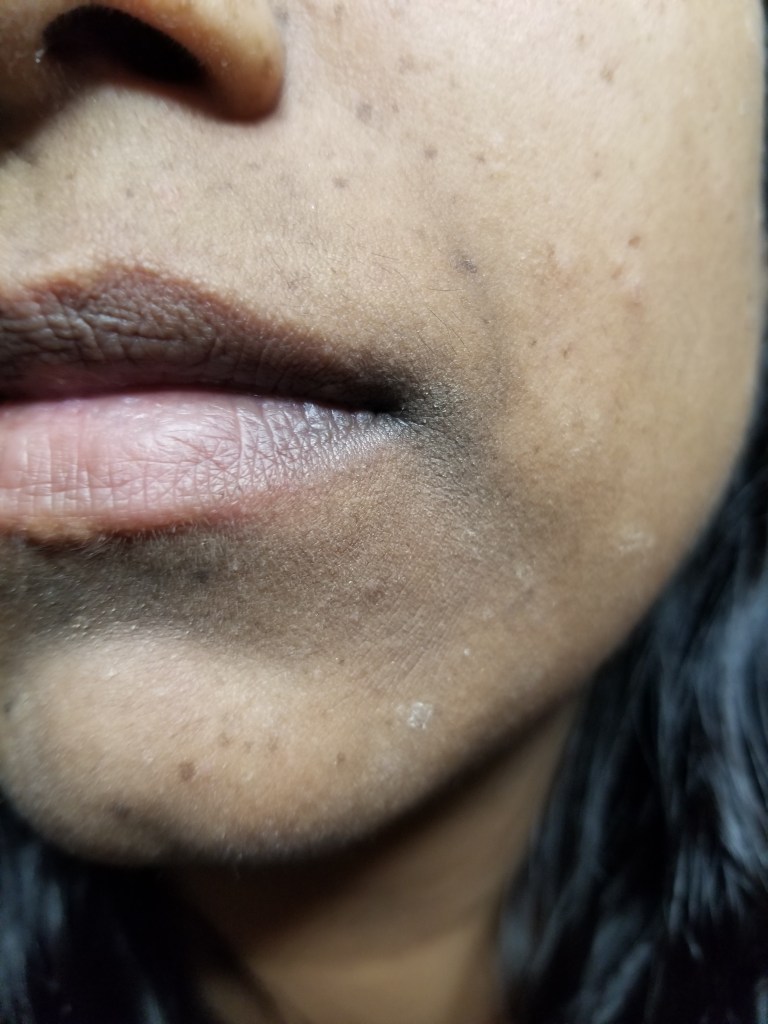
Dry skin often makes itself known pretty quickly. If your skin feels tight or uncomfortable after cleansing, looks flaky or rough in certain areas, or appears dull despite your best efforts, there’s a good chance dryness is the culprit. You might also notice that fine lines seem more pronounced, especially when your skin is feeling particularly dehydrated.
Dry skin produces less sebum than other skin types. Unfortunately sebum plays a key role in supporting your moisture barrier, so when there isn’t enough of it, the skin struggles to seal in hydration. As a result, water escapes from the skin faster than it should—a process known in skin science as transepidermal water loss (TEWL). If you have dry skin, it is very important that you focus not just on hydrating your skin but repairing you skin’s moisture barrier.
The goal when caring for dry skin is to cleanse gently and focus on barrier repair and moisture retention. Cream or balm cleansers help remove impurities without stripping what little oil your skin has. Moisturizers rich in ceramides, cholesterol, and fatty acids work to rebuild the skin barrier, while humectants like glycerin and hyaluronic acid draw water into the skin. To lock it all in, occlusive ingredients such as shea butter or squalane help prevent moisture from escaping, leaving skin feeling softer, smoother, and more comfortable over time. One key step is to make sure you remove dead skin that can block your skin from absorbing the skincare you apply. Gentle exfoliatants that won’t further strip your skin’s moisture is recommended.
With dry skin you want to avoid using foaming or sulfate heavy cleansers and alcohol based toners. As a general rule of thumb I avoid anything with alcohol in the ingredients list which can be difficult. Most skincare with fragrances has alcohol, and some clean skincare don’t smell the best. But there are some that do smell good or have low odor. And while you want to start your routine on a clean base, you do not want to over-exfoliate as this can further damage your skin’s moisture barrier. If you have dry skin, I’ve put together a list of products I recommend for dry skin that can be found on Amazon.
Oily Skin
Oily skin is often misunderstood—and unfairly blamed for a lot of things it didn’t actually cause. If your skin starts to look shiny not long after cleansing, your pores appear enlarged or more visible, or you deal with frequent blackheads or acne, you’re likely working with an oily skin type.
Oily skin simply means your sebaceous glands produce more oil than needed, which has nothing to do with cleanliness or how well you wash your face. In fact, trying to scrub or strip oily skin into submission usually backfires. Your glands produce as much oil as it thinks you need so every time you strip away the oils it produce, it produces more and it can quickly trigger an increase in oil production. This is why it is very important to moisturize when you have oily skin. It signals to your skin that it needs less oil and over time reduces oil production.
The good news is that oily skin can become balanced, healthy and low maintenance with the right approach. The key is choosing the right textures and ingredients. Gentle gel or foaming cleansers help remove excess oil without disrupting the skin barrier. Lightweight, oil-free moisturizers provide necessary hydration without feeling heavy or greasy. Ingredients like niacinamide can help regulate oil production and refine the look of pores, while salicylic acid works to keep pores clear and reduce breakouts. If you have oily skin, you will want to check out this list of clean skincare products that I recommend for oily skin types on Amazon.
Combination Skin (The Split Personality)
Combination skin can feel like you’re dealing with two different faces at once. If your T-zone—the forehead, nose, and chin—tends to get shiny and oily while your cheeks feel normal or even dry, you likely have combination skin. It’s also common to experience breakouts in certain areas while other parts of your face struggle with dryness or tightness.
This happens because different areas of your face naturally have different levels of oil gland activity. Some zones produce more sebum, while others produce less. It’s completely normal—just a little inconvenient when you’re trying to build a simple skincare routine.
Caring for combination skin is all about balance and flexibility. Gentle, non-stripping cleansers help keep oilier areas clean without drying out the rest of your face. A lightweight moisturizer works well overall, but you can also customize your routine by using targeted treatments—oil-controlling ingredients on the T-zone and richer, more hydrating products on the cheeks. And here’s a skincare pro tip: you don’t have to stick to just one moisturizer. Because you have two different skin types, if you can afford it, it would be best to use different moisturizers in your different zones. After all you are looking to reduce oil production in your T-zone and increase oil production in your cheeks and it’s unlikely that one product will help you achieve polar results in both zones. For combination skin I would recommend these cleansers, paired with targeted serums and moisturizers for your dry zones and oily zones.
Sensitive Skin (Not a Skin Type—But a Skin State)
Sensitive skin has a way of letting you know exactly when it isn’t happy. If you have sensitive skin, you likely already know it. If your skin frequently looks red, feels like it’s burning or stinging, or reacts dramatically to new products, those are classic signs of sensitivity. You might also notice flare-ups that seem to come out of nowhere, often triggered by stress, changes in weather, or hormonal shifts.
If you have sensitive skin, it usually means that your moisture barrier is weakened or your skin’s nerve endings are more reactive than average. The important thing to understand is that sensitive skin isn’t necessarily a separate skin type—it’s more of a skin condition that can exist alongside dry, oily, normal, or combination skin. So if you want to find the right products for your sensitive skin, you need to make sure you are using the right products for your skin type.
However, I will add that there are a few extra steps in your skincare routine if you skin is sensitive. Not all products for you skin type will be gentle enough for your sensitive skin. So in addition to looking at your skin type you will need to pay attention to the products you are trying. Caring for sensitive skin is all about keeping things calm and simple. Fragrance-free products are a must, since added scents—yes, even “natural” ones—are one of the most common triggers for irritation. Formulas with short, minimal ingredient lists tend to be gentler and easier for sensitive skin to tolerate.Look for barrier-repairing ingredients like ceramides, colloidal oats, panthenol, and centella asiatica to help soothe and strengthen yout skin over time.
If you have sensitive skin you will need to steer clear of strong acids and retinoids. If you want to use them, you will need to slowly introduce them to you skincare routine. You will also want to be consistent with your skincare routine. Constantly switching products or trying every trending ingredient can overwhelm sensitive skin and make reactions worse. When it comes to sensitive skin, a steady and consistent skincare routine is best.
How to Identify Your Skin Type at Home (The No-BS Test)
Now that we’ve covered why understanding your skin type is so important—and how it shapes everything from the products you choose to the results you see—it’s time to put that knowledge into action. The next step is making sure you can confidently identify your own skin type, so you can build a skincare routine that actually works for your unique skin. Here’s a simple this you can do at home to diagnose your skin type.
- Cleanse with a gentle cleanser.
- Pat dry and apply nothing.
- Wait 30–60 minutes.
Now you observe your skin. What do you see?
- Tight or flaky? Dry skin
- Shiny all over? Oily skin
- Shiny T-zone, dry cheeks? Combination skin
- Comfortable and balanced? Normal skin
- Red, itchy, or stinging? Sensitive skin (or a compromised barrier)
I hope this blog helped you learn about your skin type, in the next blog we will look at skincare concerns and then we will deep dive into how to treat various skincare concerns for each skin type. Make sure you’re subscribed so you don’t mess them.
Stay Beyoutiful,
Avi




 Skincare Unmasked
Leave a reply to Dehydrated Skin – Skincare Unmasked Cancel reply